Trading Explained Simply and Effectively for Consistent Results in 2026
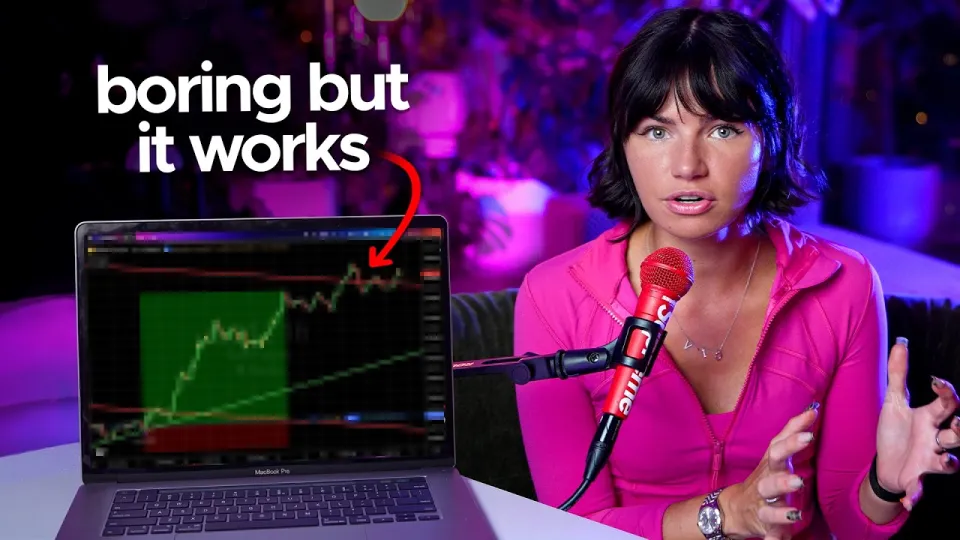
Video: Unfortunately, trading really is this simple
Want articles like this for your own video to promote it on YouTube and Google? Order them through the Telegram bot @sat_sit_bot. Articles with your video embedded are written and posted by the bot itself — on popular topical sites (no ads). Try it free: 50 articles on us.
· based on the channel Tori Trades
Key takeaways
- Trading does not require an economics degree or advanced math skills.
- Trendlines are a key component of a simple and effective trading system.
- Futures markets provide opportunities for both day trading and swing trading.
- Proper trade tracking and risk management are essential for success.
- Real-world trading involves managing volatility and setting stop losses carefully.
Trading is often seen as complex, but it can be surprisingly simple to understand and execute effectively. In 2026, traders can benefit from straightforward strategies that do not rely on a finance background or advanced mathematics. The core idea is to use clear tools like trendlines combined with solid trade management to increase the chances of consistent profits. To get started, you can join the waitlist for exclusive trading insights and strategies here.
Why Trading Can Be Simple
Trading does not require an economics degree or specialized financial training. Many successful traders use basic technical analysis tools such as trendlines to identify market direction and entry points. The futures market is particularly suitable for traders looking to capitalize on short-term price movements without needing complex algorithms or insider information. By focusing on price action and market structure, traders can form a reliable system.
Building a Trading System Using Trendlines
Trendlines are lines drawn on price charts that connect significant highs or lows and indicate the prevailing trend. The basic steps to build a system with trendlines are:
- Identify an uptrend or downtrend by connecting at least two recent lows (uptrend) or highs (downtrend).
- Wait for the price to approach the trendline as a potential entry point.
- Enter a trade when price action confirms a bounce or breakout from the trendline.
- Place stop losses just beyond the trendline to manage risk.
This method works for both day trading and swing trading and is adaptable to futures, forex, and commodity markets.
Managing Volatility and Risk in Futures Trading
Futures markets can be highly volatile, especially commodities like gold, which may move rapidly within seconds. Effective risk management involves:
- Monitoring price moves closely and being ready to exit quickly if the market turns against you.
- Setting stop losses strategically below or above trendlines to avoid large losses.
- Using only the number of contracts or positions you can afford to risk.
An example from a trader’s experience shows how exiting a gold trade early saved thousands of dollars during an unexpected price spike. This highlights the importance of active trade management.
Tracking Trades for Improved Performance
Keeping a detailed record of all trades is crucial to improve as a trader. Platforms like TradeZella offer tools to track entries, exits, profits, and losses systematically. Using a trade journal helps identify which strategies work best and where adjustments are needed. A discount code TORI20 is available for those interested in annual subscriptions to TradeZella.
Common Questions and Challenges in Trading
Many traders wonder about where exactly to place stop losses relative to trendlines or how to handle scenarios like trendline breaks and volatile market conditions. It is important to:
- Place stop losses just beyond recent swing highs or lows near the trendline.
- Consider re-entering trades if the market shows a clear reversal signal after a stop-out.
- Understand that no strategy works perfectly every time, and flexibility is required.
These points address typical concerns among beginners and experienced traders alike.
Useful Links
- Join the trading waitlist for strategies and bonuses: https://go.toritradez.com/waitlist-1009
- Track trades effectively with TradeZella: https://www.tradezella.com/?via=victoria
- Broker used for futures trading: https://www.tradestation.com/promo/toritrades/
Conclusion
Trading can be straightforward when you focus on simple, proven concepts like trendlines and disciplined trade management. Futures markets offer excellent opportunities for both day and swing traders without the need for advanced financial degrees or complex math. Managing risk and tracking trades are essential components of success. For those interested in detailed guidance and community support, the channel Tori Trades provides valuable insights and step-by-step systems. Consider joining their waitlist to deepen your trading knowledge and improve your results in 2026: https://go.toritradez.com/waitlist-1009.
Source: Unfortunately, trading really is this simple · Markdown version
Questions & answers
Do I need a finance degree or advanced math skills to trade successfully?
No, successful trading does not require an economics degree or advanced math. Many traders use simple tools like trendlines and price action analysis to make effective decisions.
How do I place stop losses when trading with trendlines?
Stop losses should be placed just beyond the recent swing high or low near the trendline to limit losses if the price breaks the trend direction.
Is trading futures very risky due to volatility?
Futures can be volatile, especially commodities like gold. Managing risk by setting stops and monitoring trades closely helps minimize losses during rapid price moves.
Can I re-enter a trade after a stop loss is hit?
Yes, if the market shows a clear reversal or bounce after a stop out, re-entering a trade according to your system’s rules can be a valid approach.